Golf style, old and new
Where golf style came from, and how to wear it now.
What it solved on the course, the players who wore it best, and where to buy it today.
See every explainer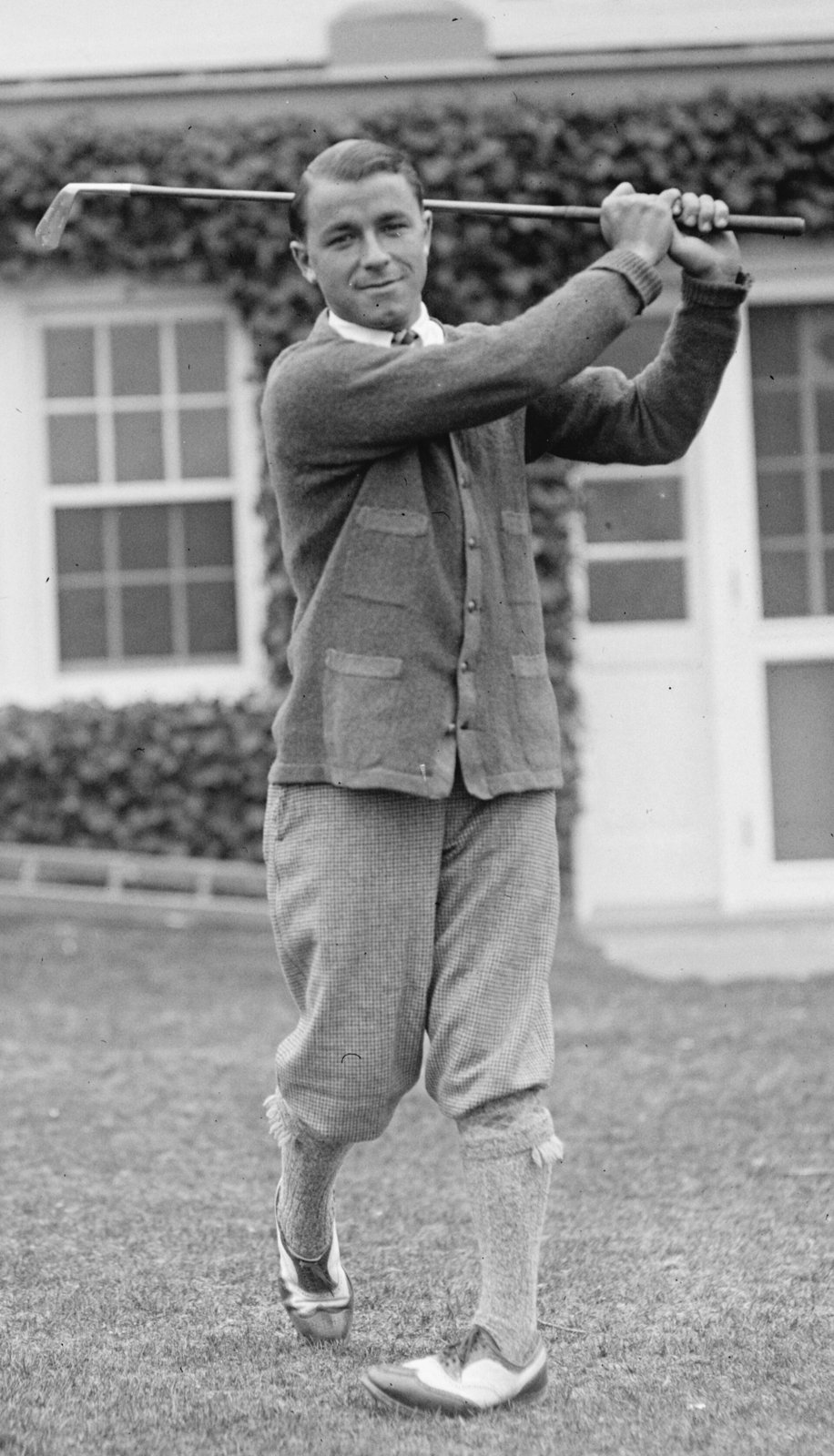
Start here
Plus fours: why golfers wore breeches past the kneeAll explainers
31 explainers, in the order they first turned up on the course.
Clothes
What golfers wore, from tweed to tech fabric.
Since 1850
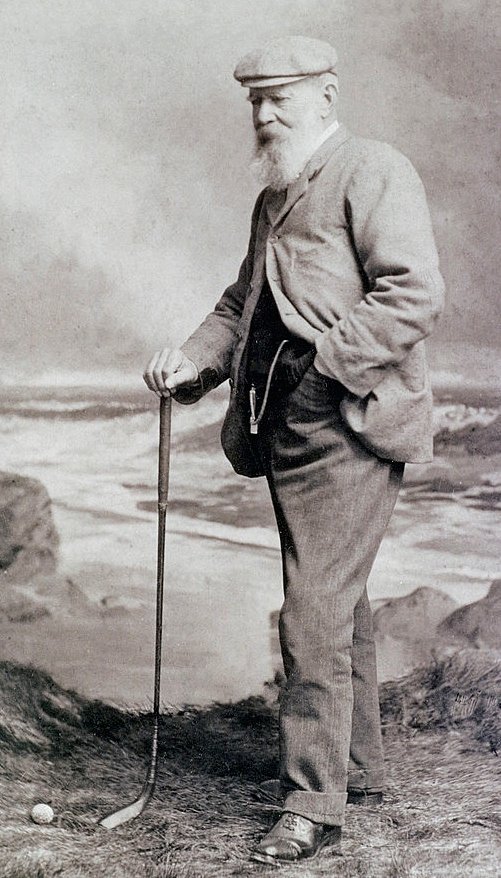
Golf hats: from flat cap to tour visor
Golf headwear has one job beyond shade: it has to stay put through a swing. The flat cap came off the links of Britain, the visor off the baseball diamond. Between them sits a century of tweed, straw and tour caps.
Since 1850
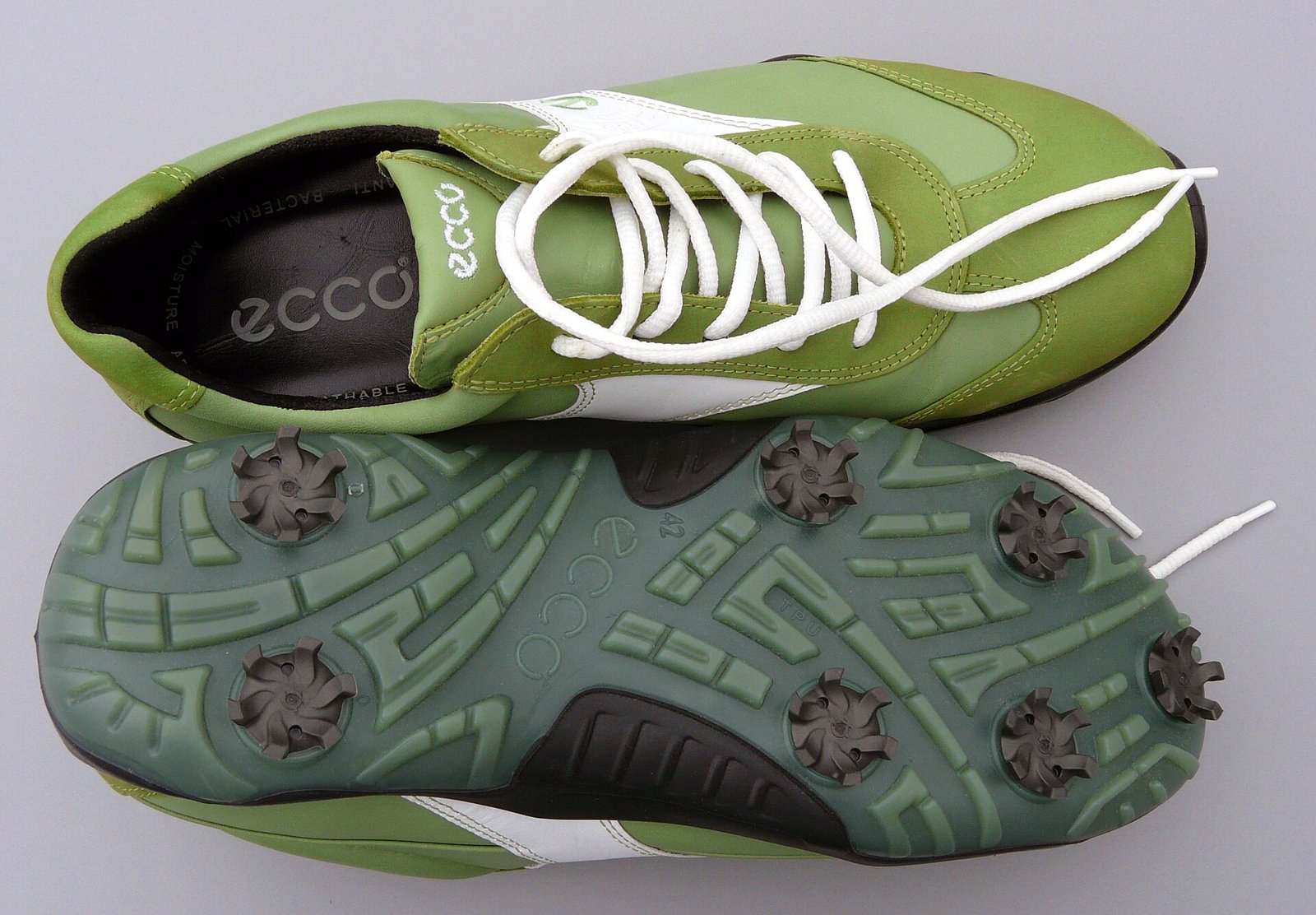
Golf shoes: from metal spikes to spikeless
Golf shoes began as leather boots studded with hammered nails. Metal spikes gave way to plastic soft spikes, then to spikeless shoes, and most courses now ban metal outright.
Since 1860
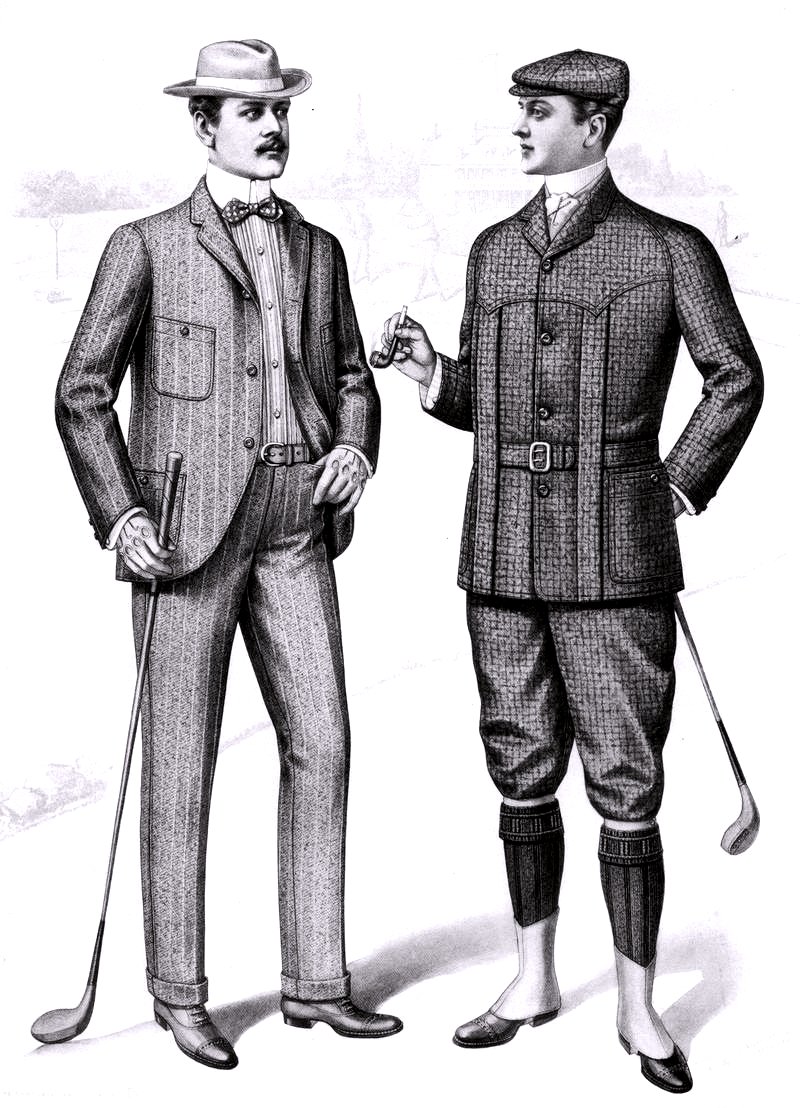
Tweed golf jackets: the Norfolk jacket on the links
The tweed golf jacket grew out of the Norfolk jacket. Golfers wore it from the 1860s, usually in tweed or heavy Shetland wool, and its pleats gave the arms room to swing. The tweed look lasted in golf until the 1930s. Today a tweed jacket turns up in the clubhouse rather than on the tee.
Since 1890
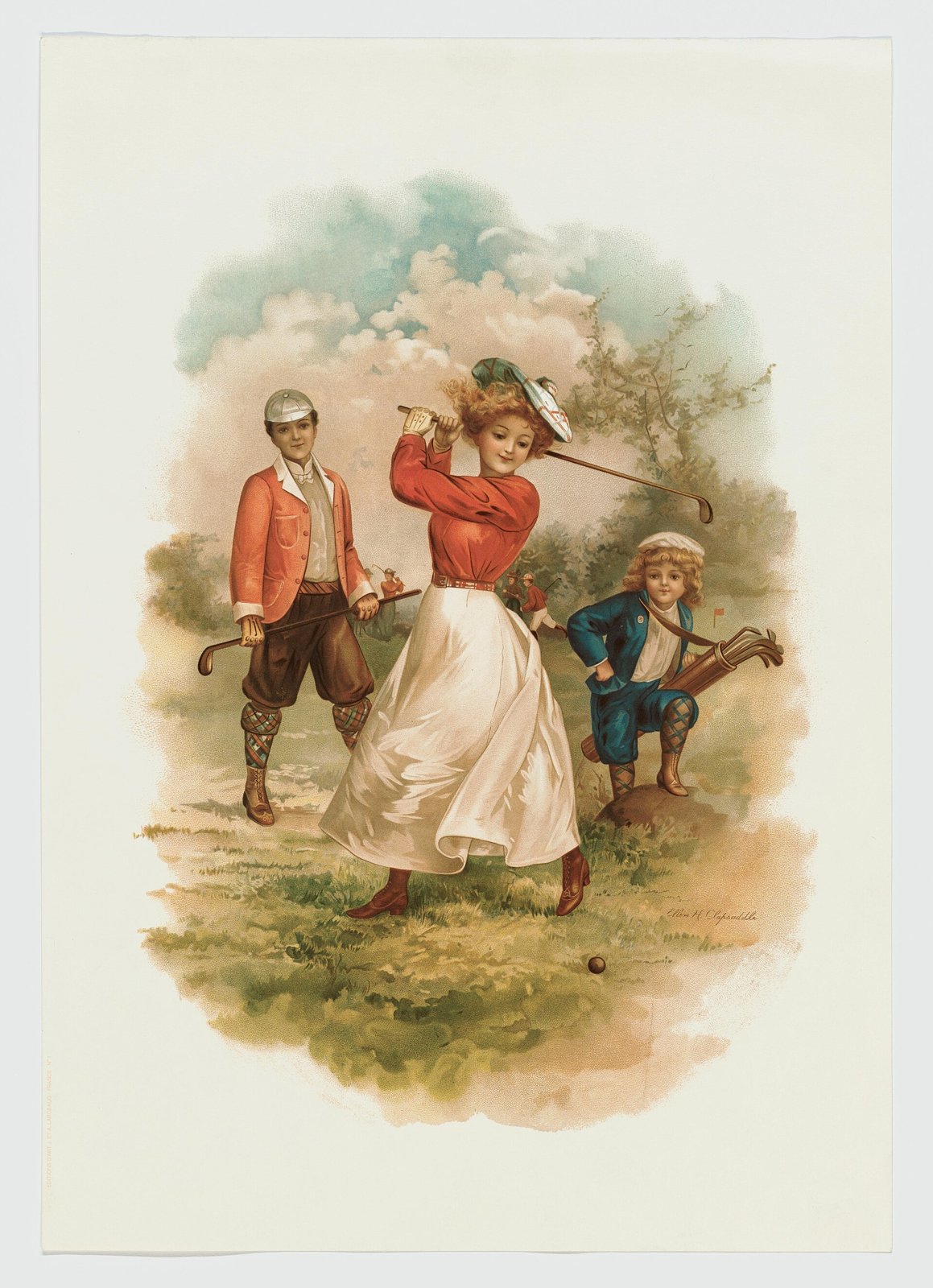
Golf dresses: from petticoats to the course-ready dress
Golf dresses started as whatever women wore at home: crinolines, bustles and long skirts that made a full swing hard. It took a century of rising hems, and a few rule-breakers, to get to a dress you can actually swing in.
Since 1900
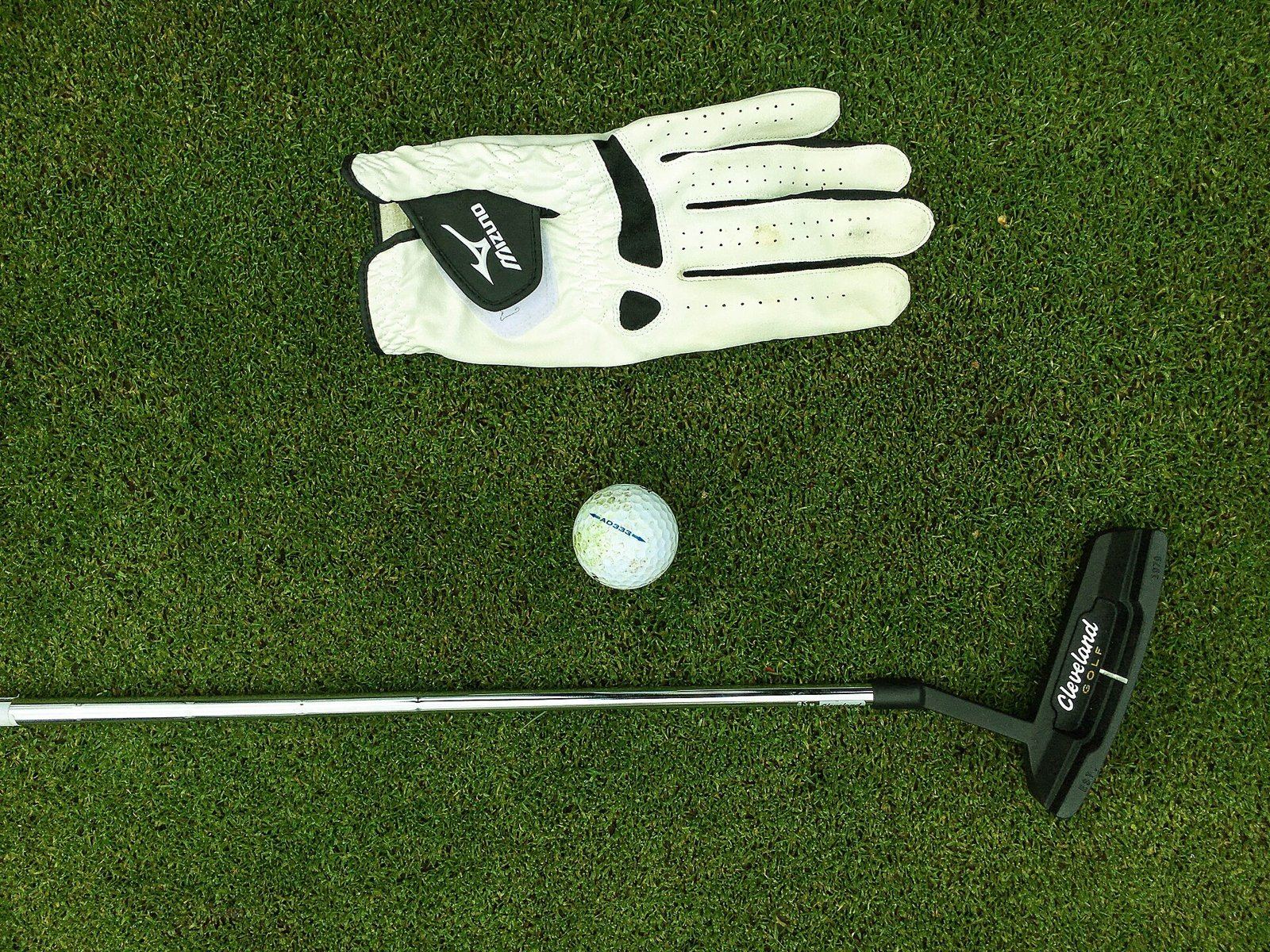
The golf glove: why one hand, and who played without one
A glove on the lead hand only, the hand that grips hardest and blisters first. Standard gear since the 20th century, though Ben Hogan and a few other champions never wore one.
Since 1911
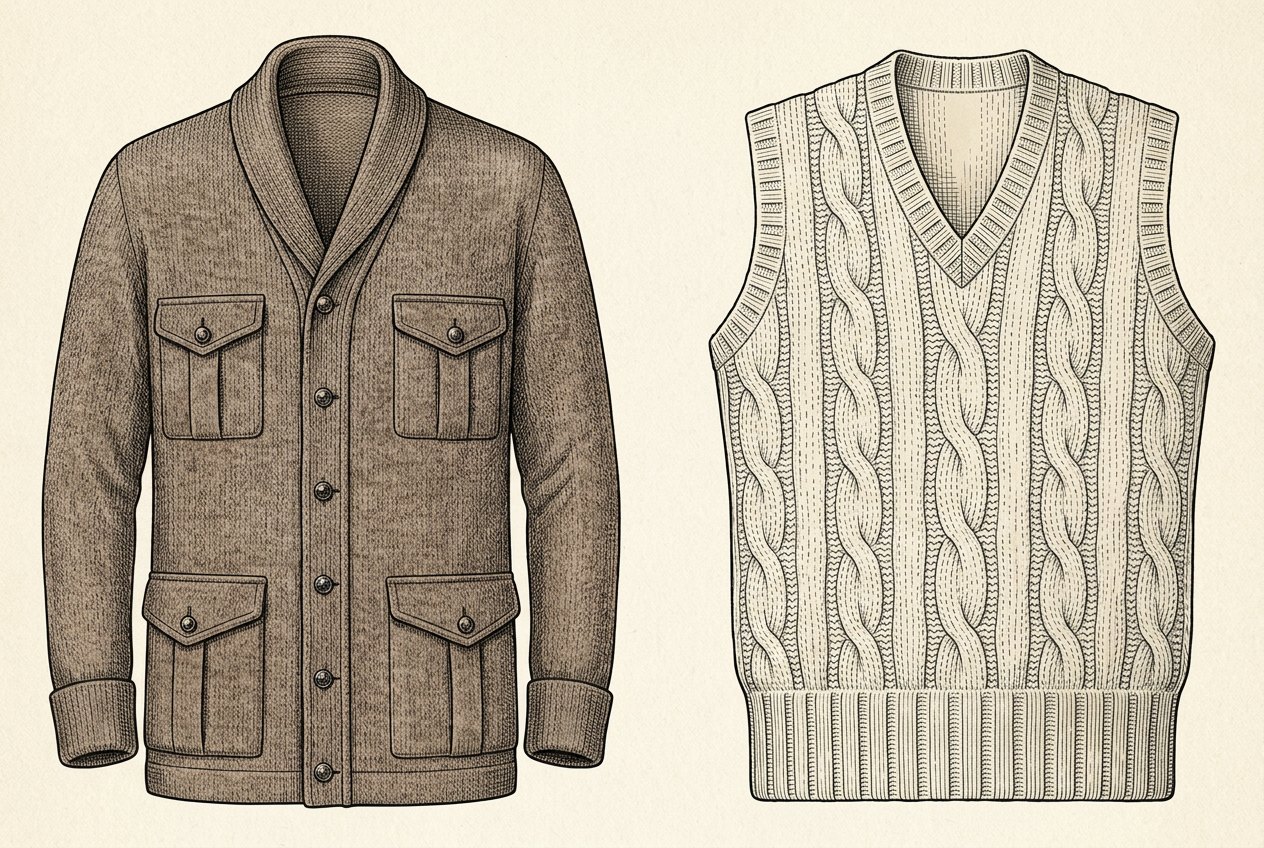
Golf cardigans and vests for men
A cardigan or a sweater vest covers the in-between weather on a golf course. The vest keeps your core warm and leaves your arms free. In the 1920s the cardigan was called a sweater-coat, and the vest also goes by knitted waistcoat.
Since 1920
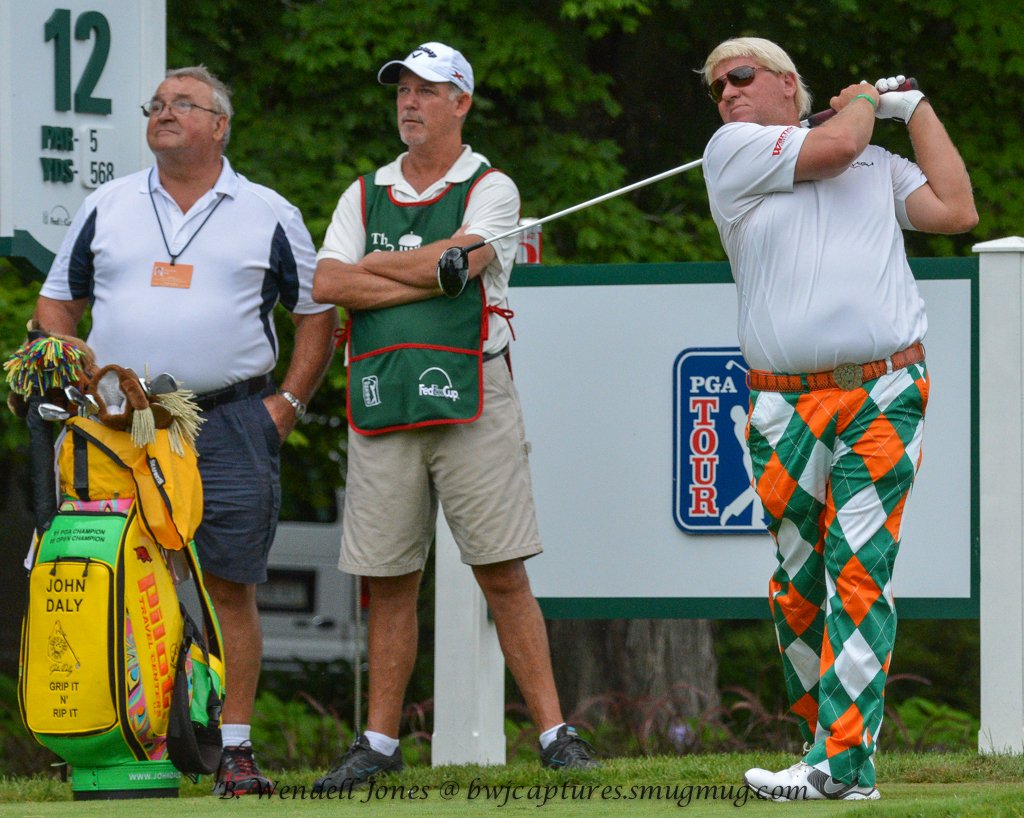
Golf trousers and pants: tailored slacks, loud prints and baggy again
Golf trousers are the long, tailored slacks that replaced plus fours on the course. They are the quiet default at most clubs, Loudmouth's prints have made them the loudest thing in the bag since 2000, and in 2026 Tommy Fleetwood and Rory McIlroy took them wide again.
Since 1920
Plus fours: why golfers wore breeches past the knee
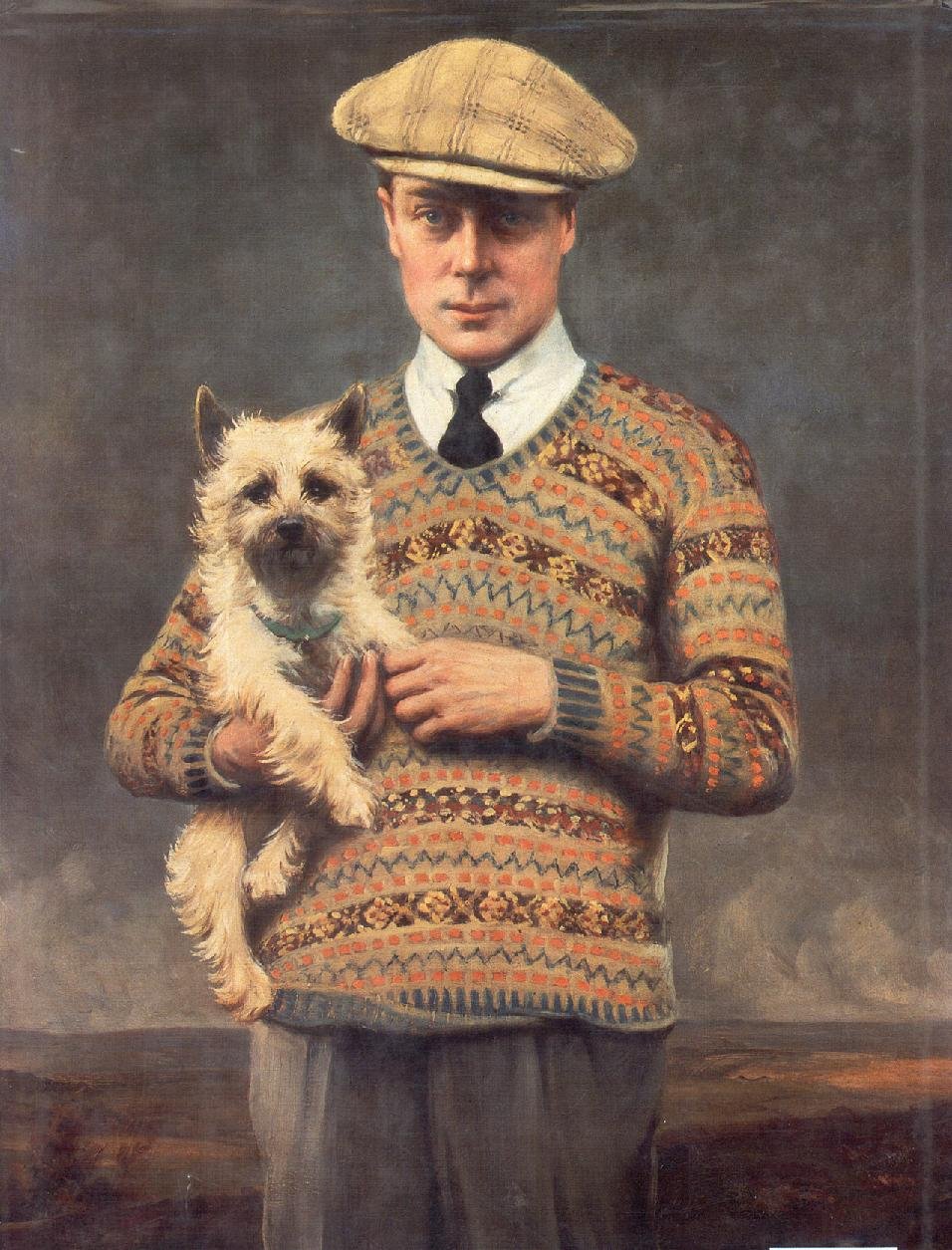
Plus fours are breeches that hang four inches below the knee. Golfers took them up in the 1920s for the freedom they gave the swing, the Prince of Wales (later Edward VIII) carried them to America, and Payne Stewart brought them back decades later.
Since 1920
The golf sweater (or jumper): argyle, V-necks and the sweater vest
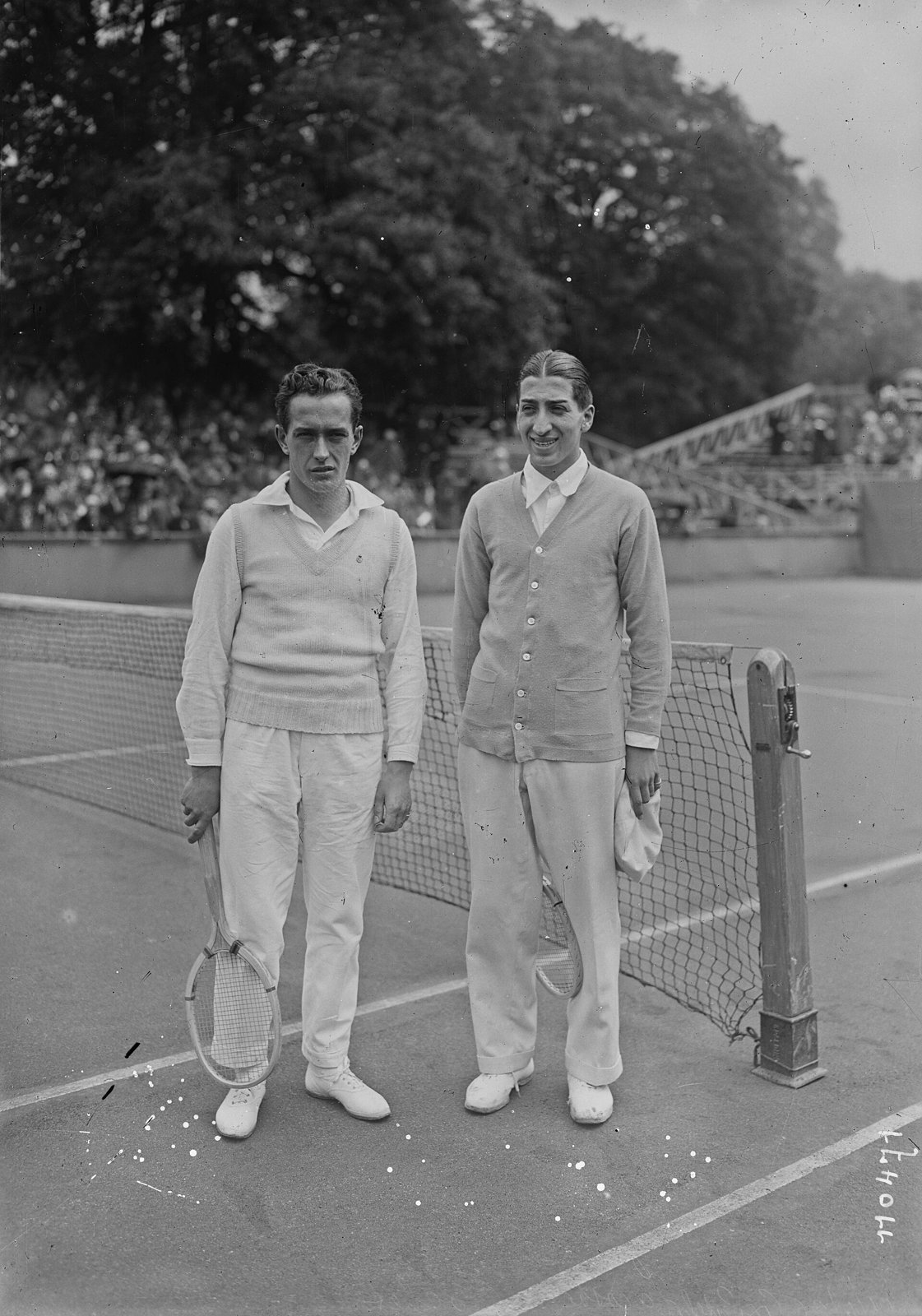
The golf sweater arrived from Scotland: argyle diamonds drawn from Clan Campbell tartan, popularized by Pringle of Scotland and the Duke of Windsor. The V-neck and the sleeveless vest kept golfers warm and their swings free, and Payne Stewart made the pattern his own.
Since 1926
Golf polo: from tennis shirt to clubhouse standard
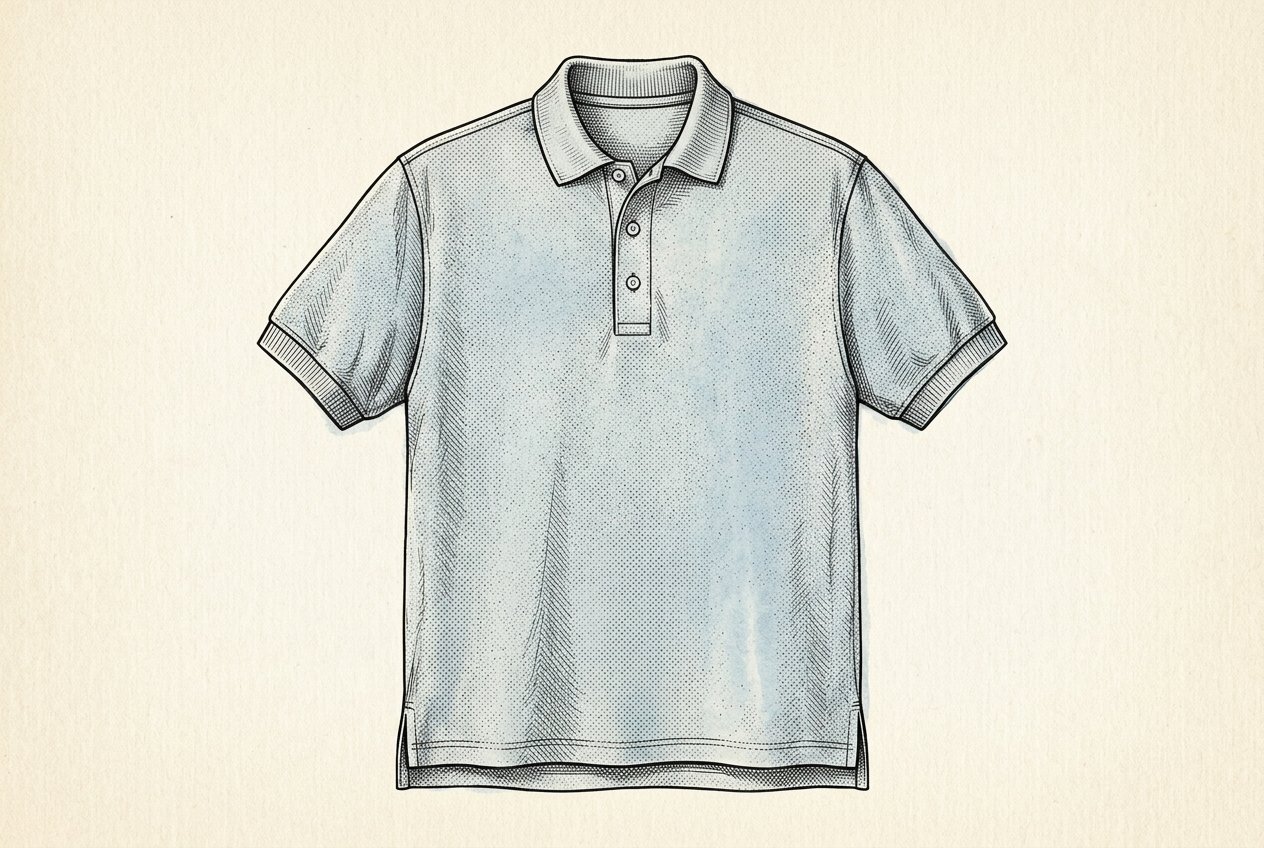
A short-sleeved collared shirt that started on the tennis court and became golf's default top half. The collar answers most club dress codes; modern fabrics keep it cool through a round.

Since 1931
Golf skirts and skorts: a skirt on the outside, shorts underneath
Golf skirts and skorts: a skort is shorts with a panel on top that reads as a skirt, or a skirt with shorts built in. You get a skirt's shape, the cover of shorts, and pockets in the shorts for a ball and tees.
Since 1950
Golf quarter-zip pullovers: the zip-neck midlayer
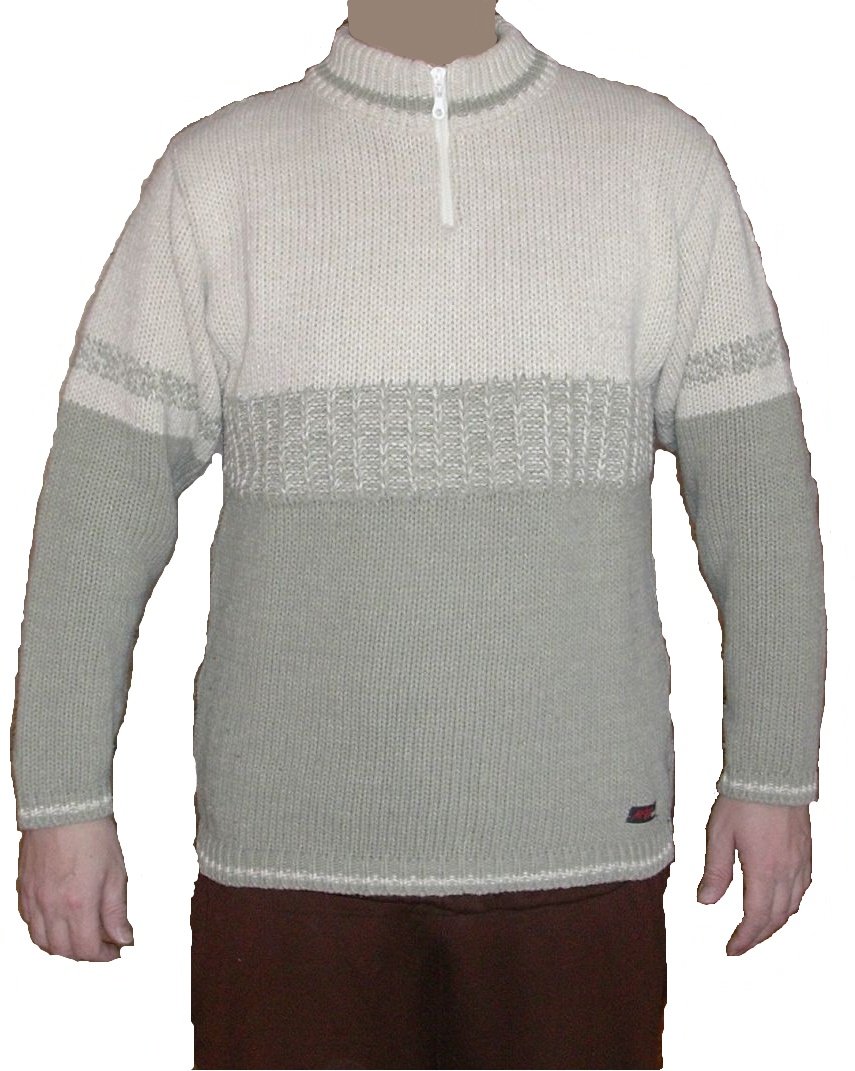
A golf quarter-zip pullover is a light sweater (jumper) with a zip from the neck to the chest, worn over a polo when it turns cool. Open the zip when you warm up and close it when you don't.

Since 1950
Women's golf polos: from collared blouses to sleeveless tops
Women's golf polos came after decades of collared blouses and cardigans. Golfers began adopting sleeveless tops in the late 1950s. Today collared sleeveless tops are generally accepted, and since 2017 the LPGA has required a collar.
Since 1969
Golf windbreakers and rain jackets: from heavy waterproofs to Gore-Tex
A golf windbreaker keeps the wind off; a golf rain jacket keeps out real rain. The modern rain jacket uses a membrane that blocks water but lets vapor out, cut so you can still make a full swing.

Since 1970
Golf visors for women: why the LPGA's favorite hat has no top
A golf visor is a cap with the top cut off. Women like it because a ponytail or bun goes straight through the open top. Heat escapes off your head too. It is the most popular hat on the LPGA tour.
Since 1980
Vintage golf polos: labels, fit and care
Vintage golf polos include labels such as Ashworth, Izod, Hogan and Slazenger; Arnold Palmer also has a crested collection that includes polos. Some vintage golf polos are 100-percent cotton. Learn the labels, check the condition, then wash them by hand before you wear them.

Since 2009
Women's spikeless golf shoes: grip without the spikes
Women's spikeless golf shoes grip through molded studs on the sole instead of screw-in spikes. They went from about 1% of golf shoe sales before the 2010 Masters to about half of all models today.
Kit
The things you carry round with you.
Since 1870
The golf bag: from caddie carry to Sunday minimalism
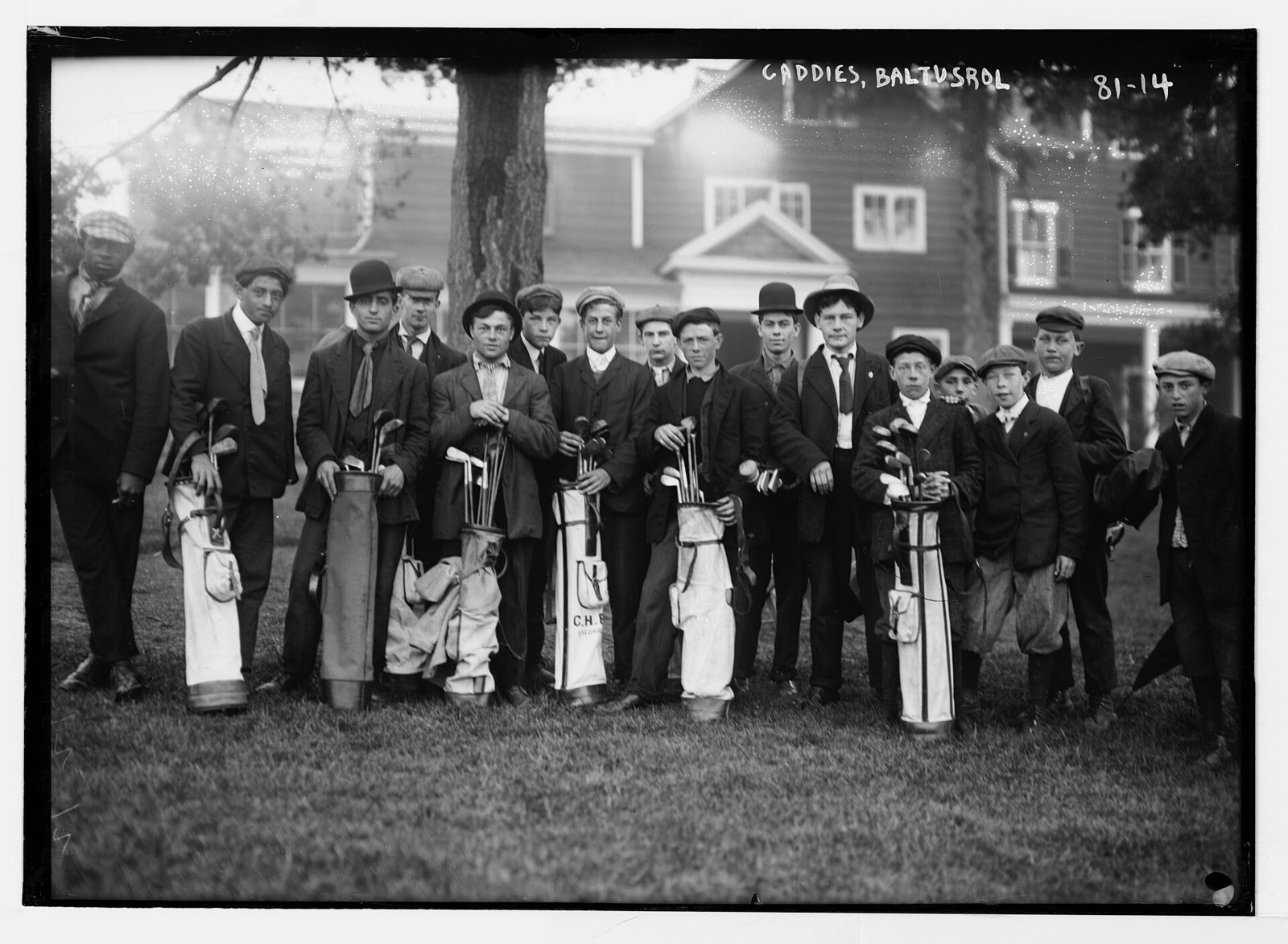
A golf bag is how a player moves clubs around the course. It began around 1870 as a canvas tube with a strap. Today the family runs from minimalist Sunday bags to stand bags, cart bags and the big staff bags tour caddies carry.

Since 1900
Golf headcovers: how they protect clubs and show some personality
Golf headcovers protect your most expensive clubs from knocks, sun and wear. They started as old wool socks in the early 1900s, and they are now the most personal thing in the bag. The most famous is Tiger Woods' tiger, a gift from his mother.
Since 1930
Golf belts: from woven cotton to ratchet buckles
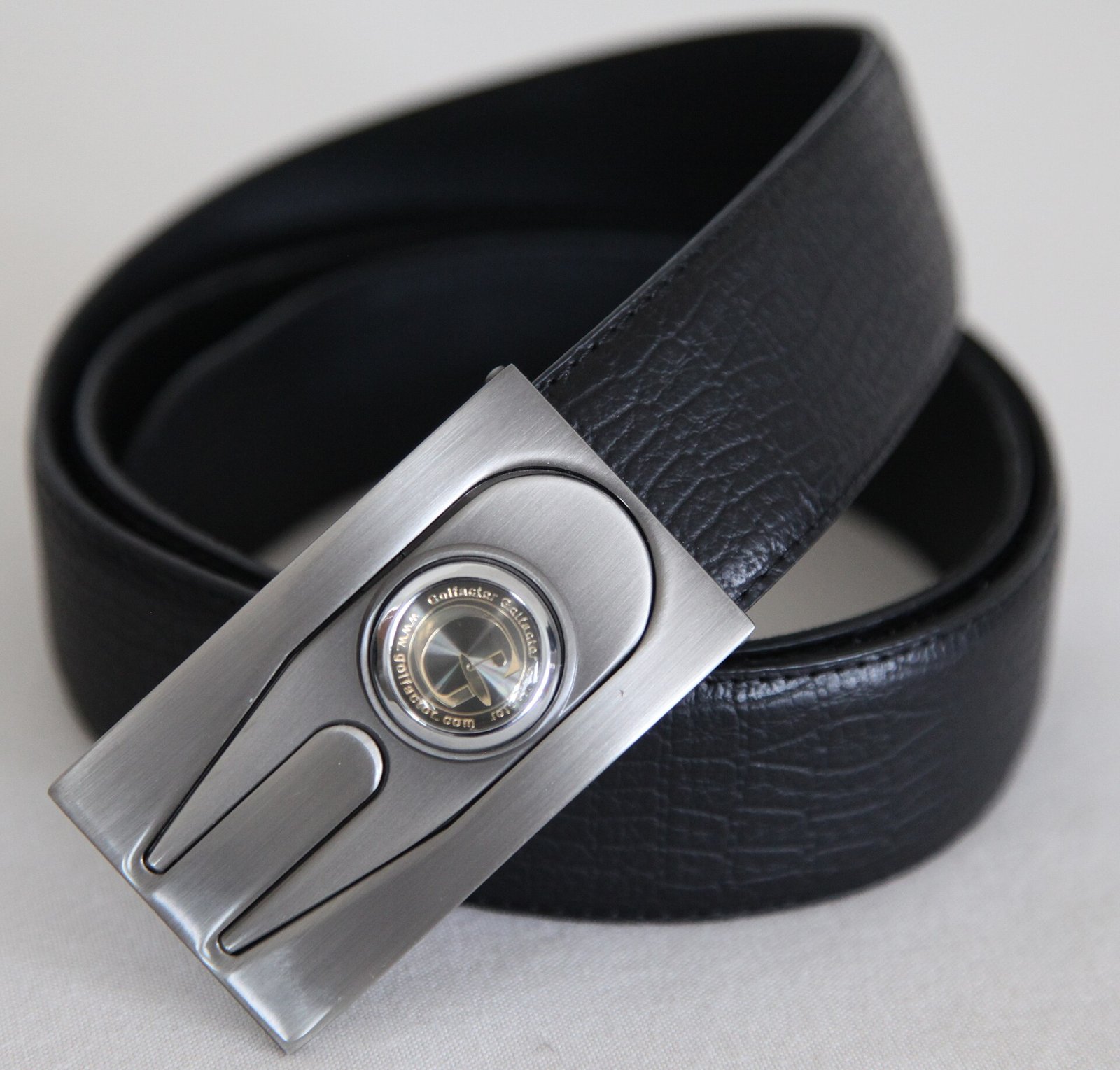
Golf belts have kept golfers' bottoms up since the days of knickers and plus fours. Woven cotton and silk came in the 1930s, wide stripes and plaids in the 1950s, and nylon web belts with ratchet or friction buckles more recently.
Since 2020
Golf socks: lengths, club rules and blisters
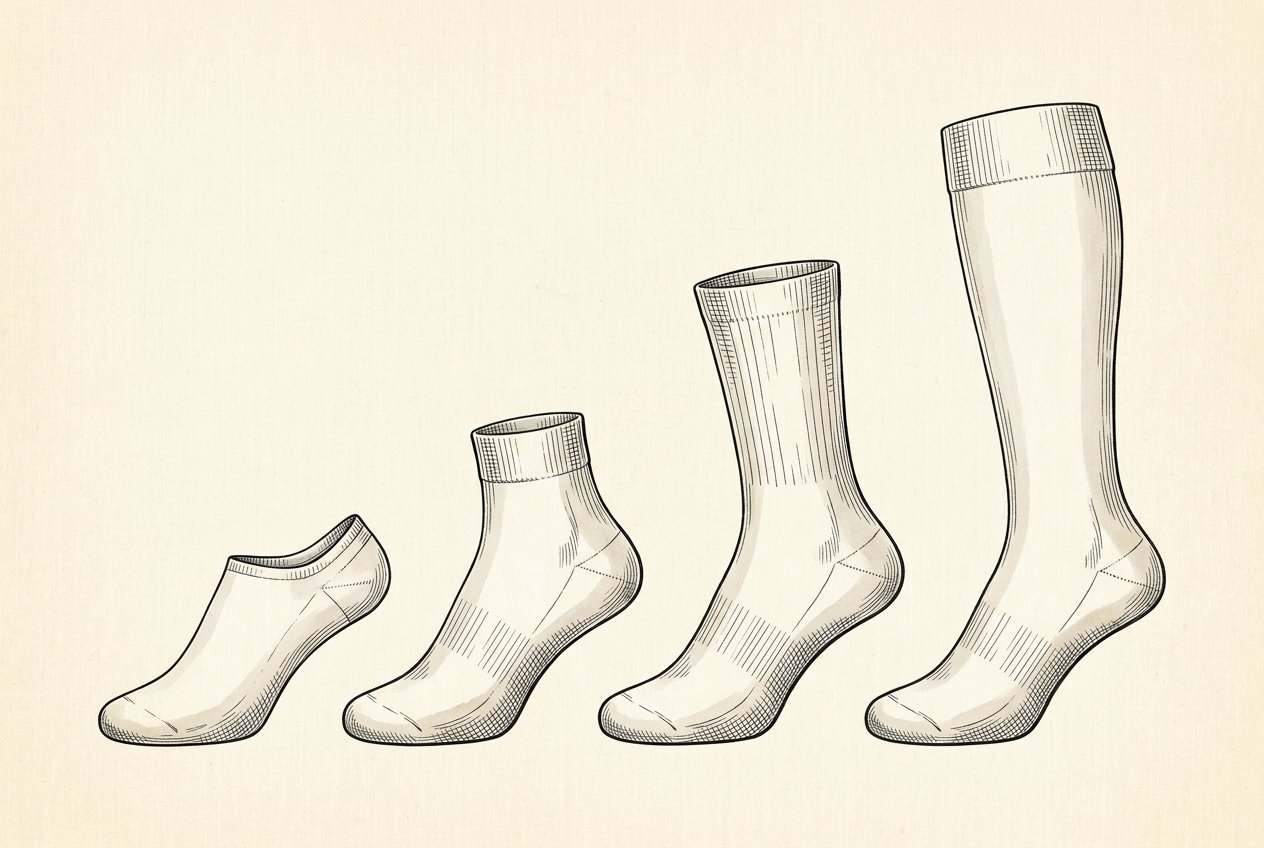
Golf socks range from no-show to knee-high. Club rules vary: some ask for crew or knee-high socks with shorts, and a few request tailored shorts. Cushioned, moisture-wicking pairs help prevent blisters on long walks.
Eras
How golfers dressed, decade by decade.
1860–1999
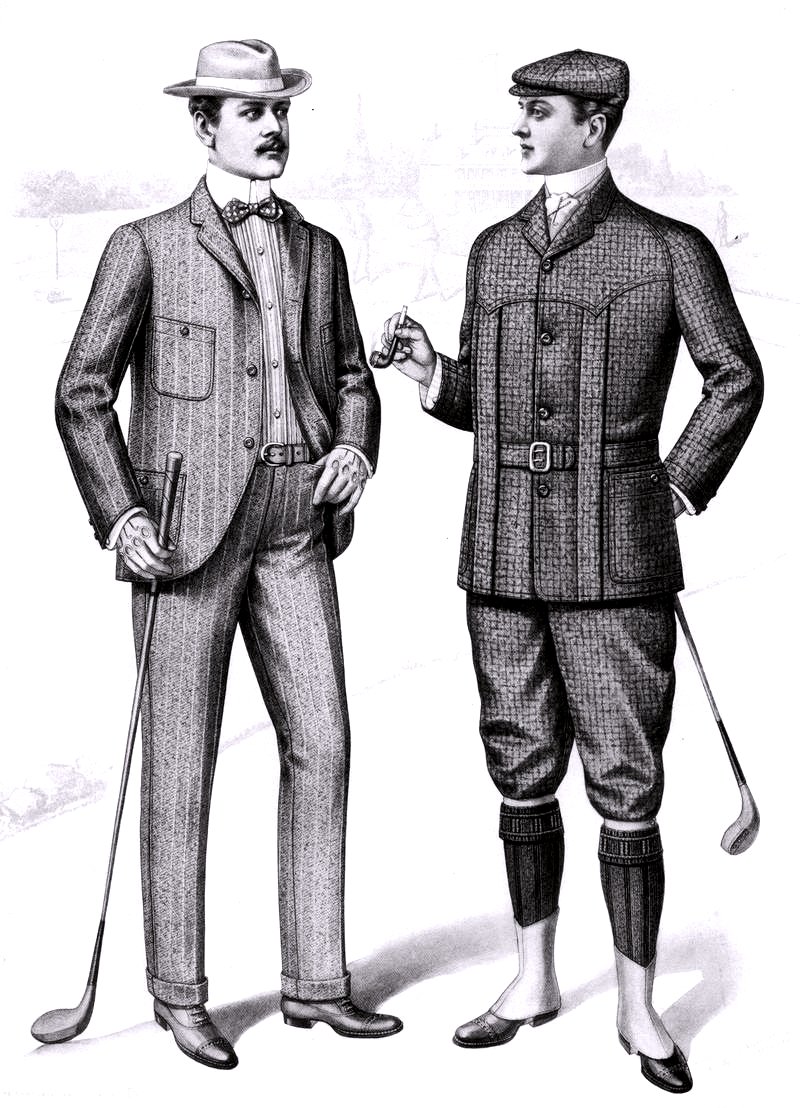
Old golf fashion: tweed, plus fours and 1970s color
Old golf fashion, era by era: tweed jackets and long skirts before 1900, plus fours in the 1920s, polo shirts and light slacks in the 1940s, synthetic fabrics and bright patterns in the 1970s, and Payne Stewart wearing plus fours on tour into the 1990s.
1920–1930
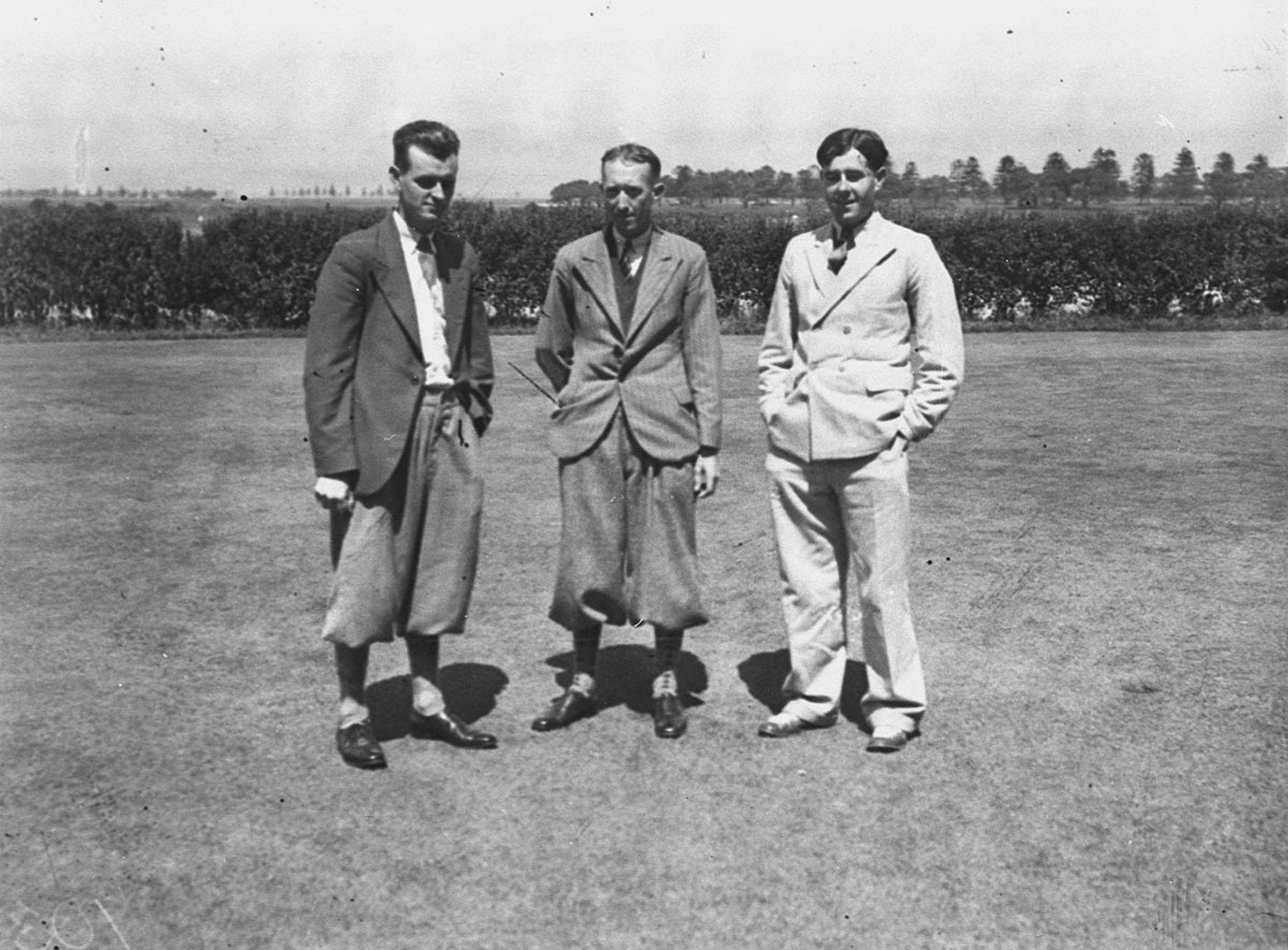
1920s golf fashion: plus fours, sweaters and shorter skirts
Golf in the 1920s had a recognizable look. Men wore plus fours with long socks, a tie and a flat cap. Women wore shorter skirts and cardigans.
1920–1979
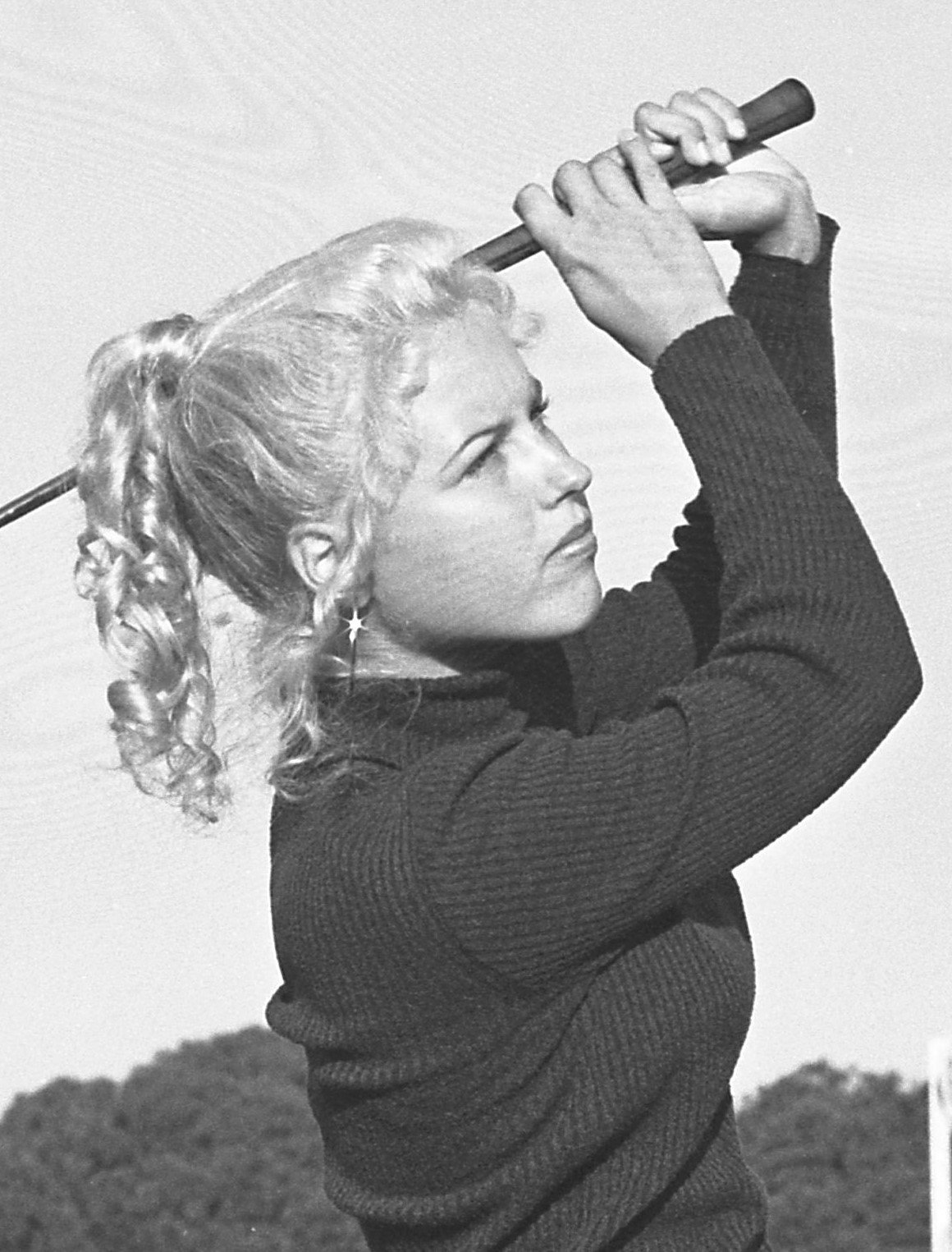
Vintage women's golf fashion: the 1920s to the 1970s
Vintage women's golf fashion runs from Joyce Wethered's tailored blouses and skirts to the loose polos and cotton shorts of the 1970s. In between, in 1950, 13 players founded the LPGA.

Since 1933
Women's golf outfits with pants: from a 1933 stir to cropped capris
Pants (trousers) and shorts are now what women golfers wear below the waist more than anything else. Nobody on record had seen a woman play golf in trousers before 1933. Here is how women's golf outfits with pants got from there to slim, stretchy and cropped cuts.
1970–1979
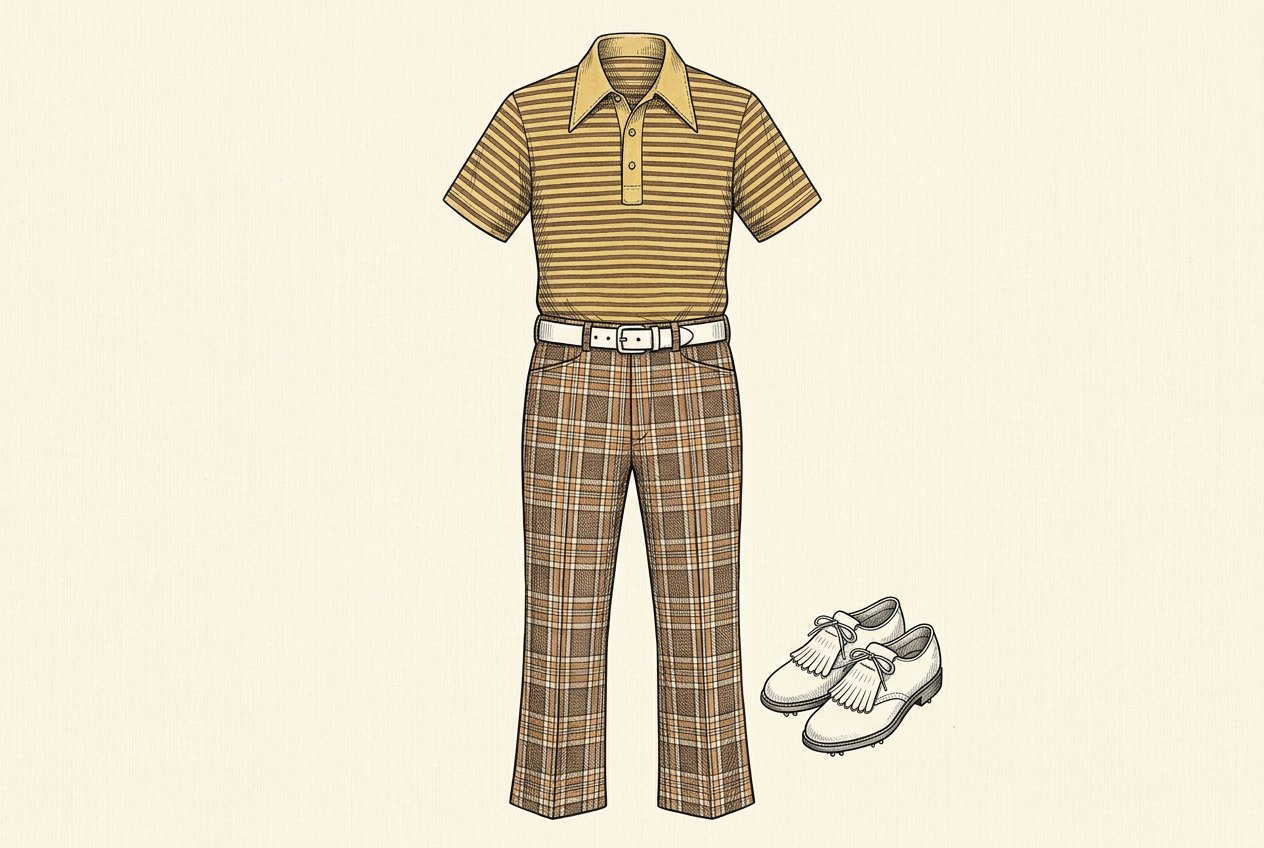
1970s golf fashion: polyester, plaid and wide collars
1970s golf fashion put synthetic fabrics, wide collars and loud patterns on the course. Men wore polyester shirts and trousers, often in shades of brown. Pants flared or fit close. A white belt and white shoes, as worn by Dave Stockton, finished the look.

Since 2000
Women's golf attire for summer and winter: sun sleeves to thermal layers
What women golfers wear changes a lot between summer and winter. Summer is about covering up from the sun, with UPF shirts and sun sleeves. Winter means three layers, thermal pants and warm hands.

Since 2023
Golf outfit ideas for men: polo, shorts, layers and retro
Start with a polo and trousers or shorts, then add proper shoes, gloves and a hat. That is the basic shape of a golf outfit. The rest comes down to weather and what the clubhouse will let you through the door in.
Etiquette
The rules behind the look.
Since 1900
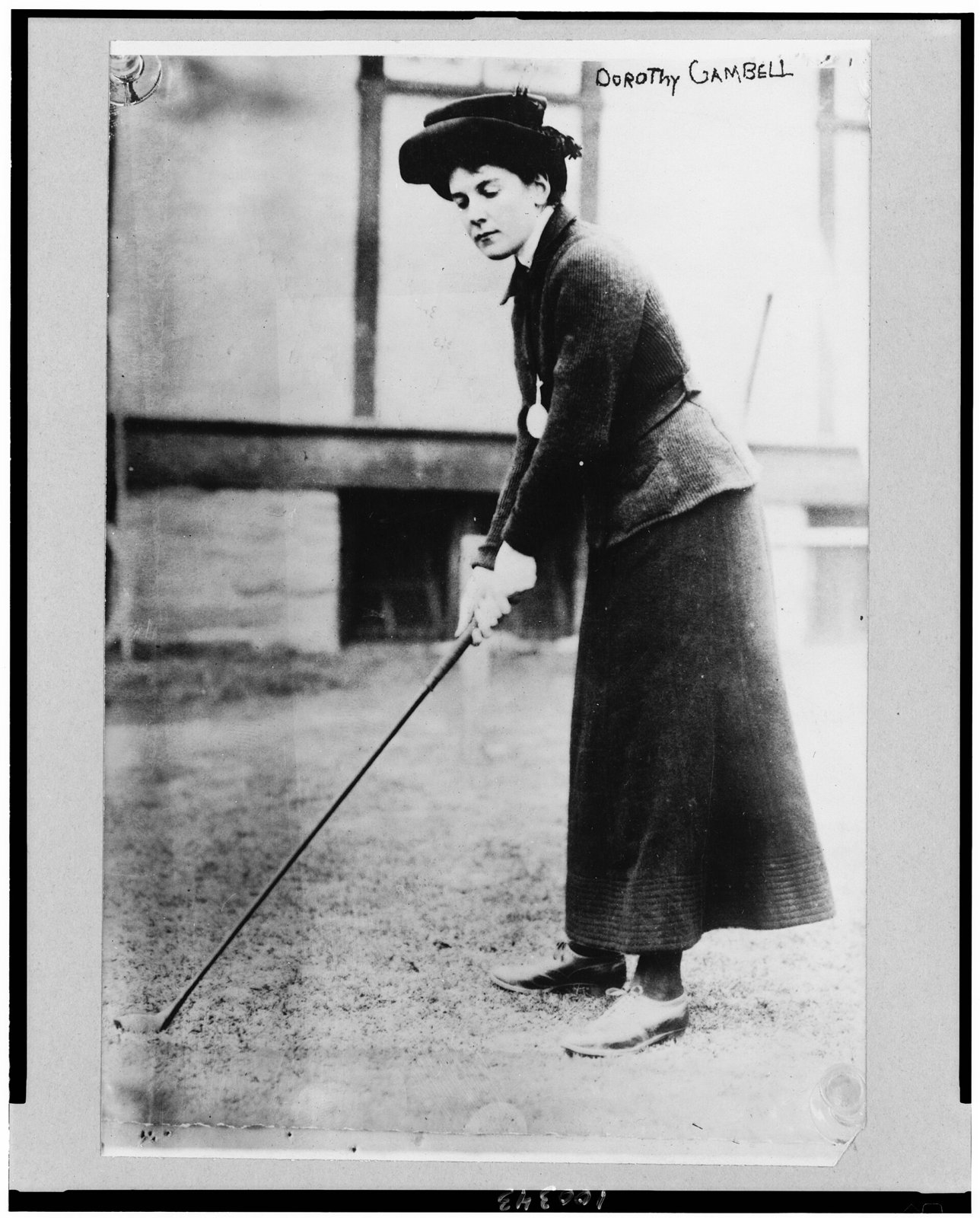
Golf dress code: what clubs ask for and why
Most golf clubs ask for a collared shirt, trousers or tailored shorts, and no denim. The rules came from club tradition as much as from the game itself, and they are easing: shorts are everywhere, trainers are common, and some clubs now offer guidance instead of a fixed code.

Since 2017
Women's golf dress code: collars, hem length and the leggings question
A women's golf dress code turns on three questions: what counts as a collar, how short a hem can go, and whether leggings count as golf wear. The LPGA tightened its answers in 2017. Club rules vary, and some are far more relaxed.

Since 2020
Country club and resort attire: the dress code off the course
Country club and resort attire covers the clubhouse, dining room and grounds. Most clubs lean toward smart casual, and a collared shirt with slacks is generally safe. Dinner may require a jacket, sometimes a tie. Resort courses typically ban T-shirts and athletic shorts.