Hole 3 · 1860–1999
Old golf fashion: tweed, plus fours and 1970s color
1860s–1990s: from tweed jackets to Payne Stewart's plus fours
Old golf fashion, era by era: tweed jackets and long skirts before 1900, plus fours in the 1920s, polo shirts and light slacks in the 1940s, synthetic fabrics and bright patterns in the 1970s, and Payne Stewart wearing plus fours on tour into the 1990s.

What it solved on the course
Each change fixed something about playing in clothes. Plus fours freed the knee, and knit shirts and light slacks took the heat off. Then golf clothing started being designed for how people played, not how they were expected to look.
History
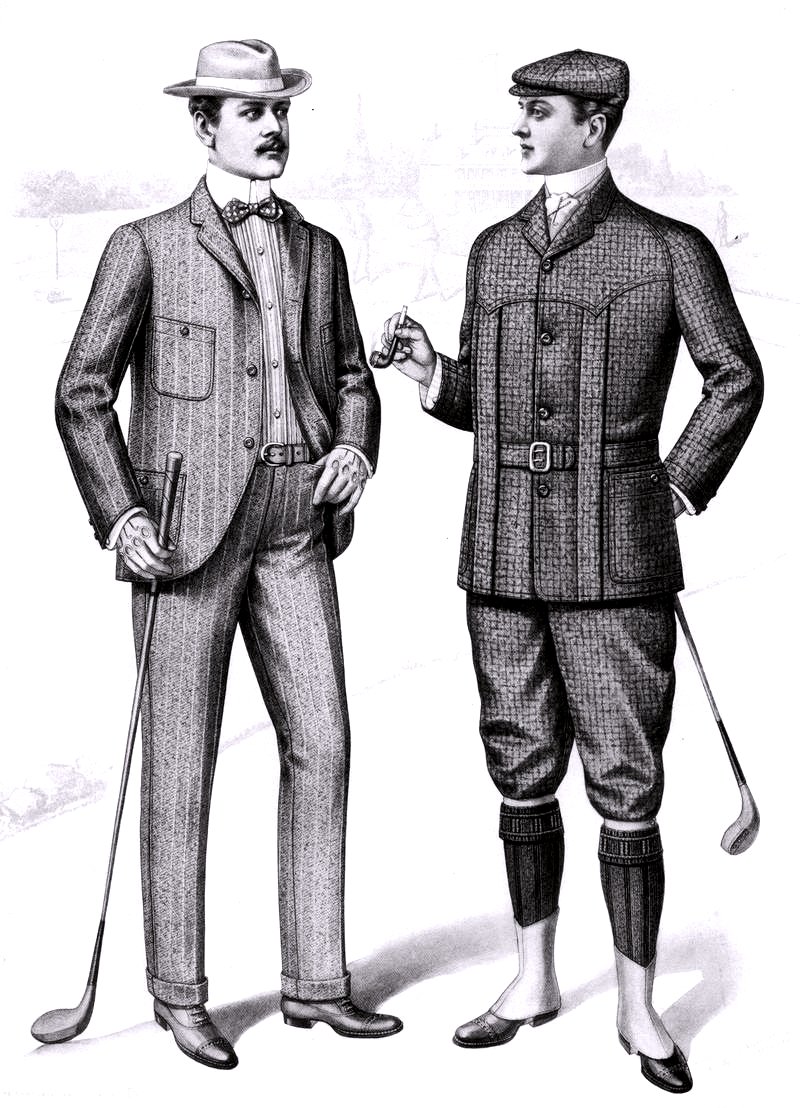
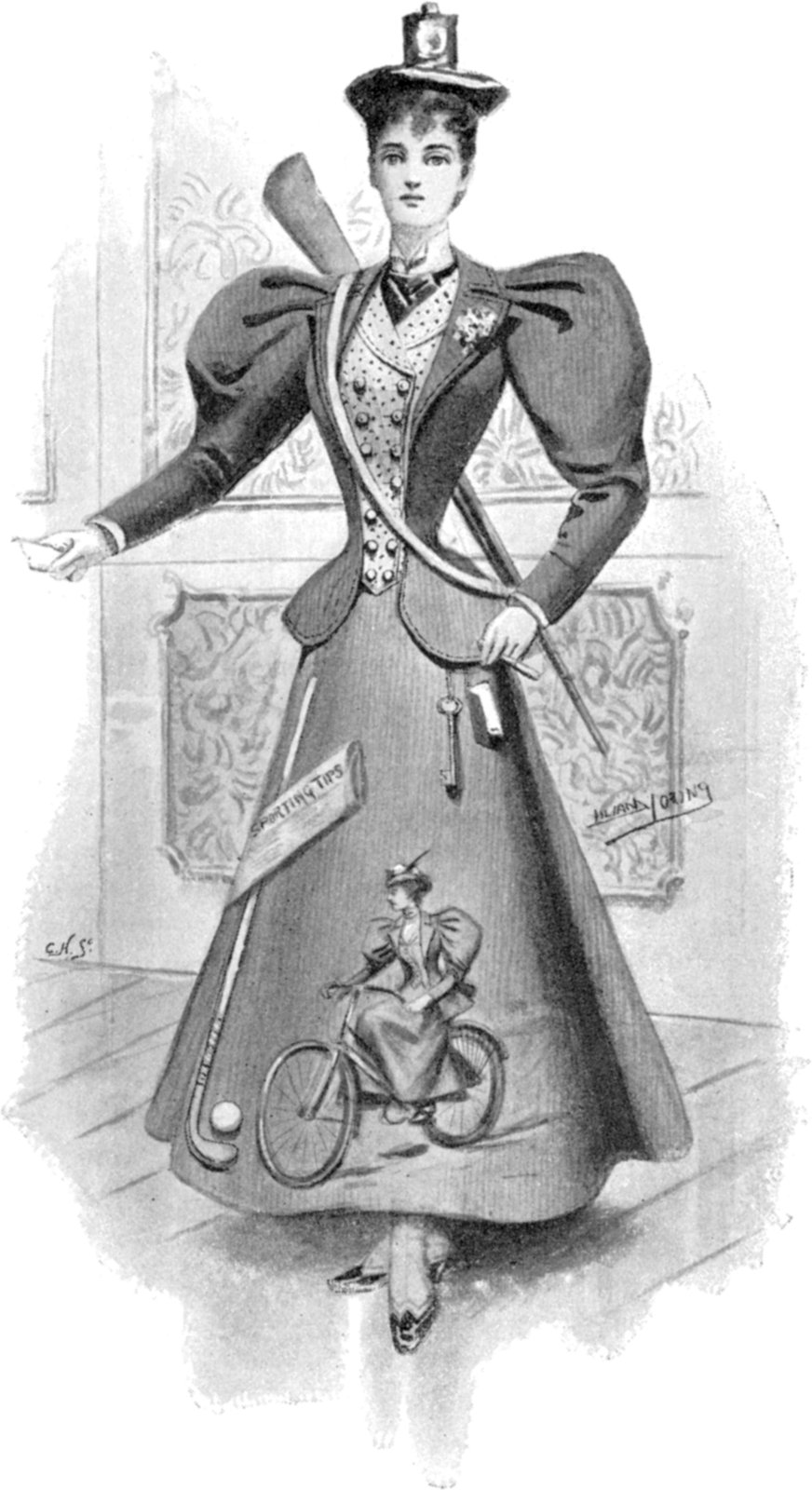
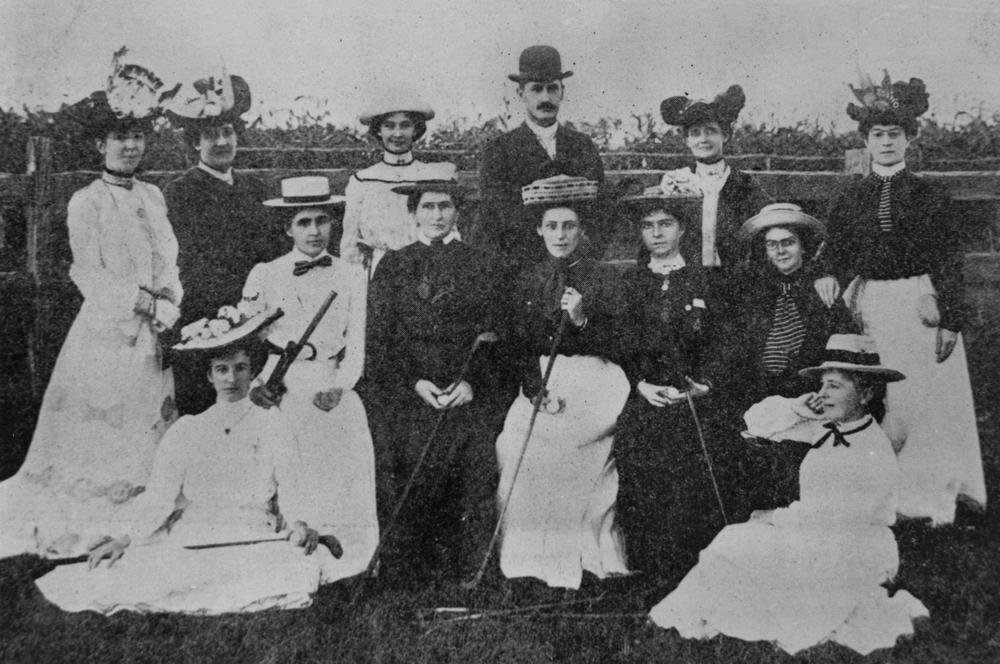
Before 1900 golfers played in everyday country clothes: heavy tweed jackets, flat caps and knee-length knickers for men, long skirts for women. The R&A, running the game from St Andrews since 1754, never needed to write a dress code in those years.
The 1920s belonged to plus fours, cut four inches longer than knickerbockers, worn with knee-high argyle socks, a shirt and tie and a pullover. The public moved on in the 1930s. Golfers didn't, because the extra room at the knee helped them swing. The plus fours page has the full story.
In the 1940s the heavy clothes gave way to polo shirts and lightweight slacks. At some national championship in a heatwave, men dropped their neckties for short-sleeved knit shirts, and the golf clothing maker Three Putt calls this the first time golf clothes were designed around how people actually played. René Lacoste had worn a shirt of his own design at the 1926 US Open. By the 1950s golfers had taken to it, and in 1953 President Eisenhower wore a Lacoste shirt on the course.
Arnold Palmer changed how the pros looked. Before him, in one writer's phrase, they "dressed like they worked in insurance." The 1970s brought synthetic fabrics and bright patterns, and in Three Putt's words golf fashion "abandoned all restraint."
Payne Stewart took up plus fours at the start of his career because of that 1920s uniform, and wore them with a flat cap and long socks on the PGA Tour from 1982 until 1999.

Who wore it best
Dwight Eisenhower
Wore a Lacoste shirt on the golf course in 1953, as golfers were taking up the tennis player's knit shirt.[1]
Arnold Palmer
The player who marks the change: before him, professional golfers are said to have dressed like insurance men.[5]

How to wear it now
- Pick one old piece, not a costume. A flat cap or a knit polo with a small collar reads as period without shouting.
- Knickers or plus fours need knee socks. Plain wool is easier to wear than argyle if you want people to watch your swing, not your shins.
- A tweed jacket is for the walk to the first tee on a cold morning. It comes off before you hit.
- Loud 1970s-style pants work with a plain shirt and nothing else patterned.
- Real vintage wool and cotton look better than costume-shop copies. Search for the decade and the maker, not "retro golf outfit".
Where to buy
Vintage
Links open the shop's own site. Some may earn us a commission.
Sources
- A Stylish Look at the History of Golf Fashion, 18 Birdies. Retrieved 2026-09-30.
- A History of Golf Knickers, Global Golf. Retrieved 2026-09-30.
- Plus fours, Wikipedia. Retrieved 2026-09-30.
- Payne Stewart outfits: From the sublime to the... well, sublime, Bunkered. Retrieved 2026-09-30.
- The History of Golf Fashion: From Tweed Jackets to Streetwear, Three Putt Golf Clothing. Retrieved 2026-09-30.
Updated .
Keep reading
- Golf dress code: what clubs ask for and whyMost golf clubs ask for a collared shirt, trousers or tailored shorts, and no denim. The rules came from club tradition as much as from the game itself, and they are easing: shorts are everywhere, trainers are common, and some clubs now offer guidance instead of a fixed code.
- Golf outfit ideas for men: polo, shorts, layers and retroStart with a polo and trousers or shorts, then add proper shoes, gloves and a hat. That is the basic shape of a golf outfit. The rest comes down to weather and what the clubhouse will let you through the door in.
- 1970s golf fashion: polyester, plaid and wide collars1970s golf fashion put synthetic fabrics, wide collars and loud patterns on the course. Men wore polyester shirts and trousers, often in shades of brown. Pants flared or fit close. A white belt and white shoes, as worn by Dave Stockton, finished the look.