Hole 1 · Since 1850
Golf hats: from flat cap to tour visor
19th century to today
Golf headwear has one job beyond shade: it has to stay put through a swing. The flat cap came off the links of Britain, the visor off the baseball diamond. Between them sits a century of tweed, straw and tour caps.

What it solved on the course
It keeps sun and rain off the face and keeps hair out of the eyes through a swing, while staying put in wind. It also signals how a golfer wants to be seen: heritage flat cap, no-nonsense visor, or modern tour cap.
History
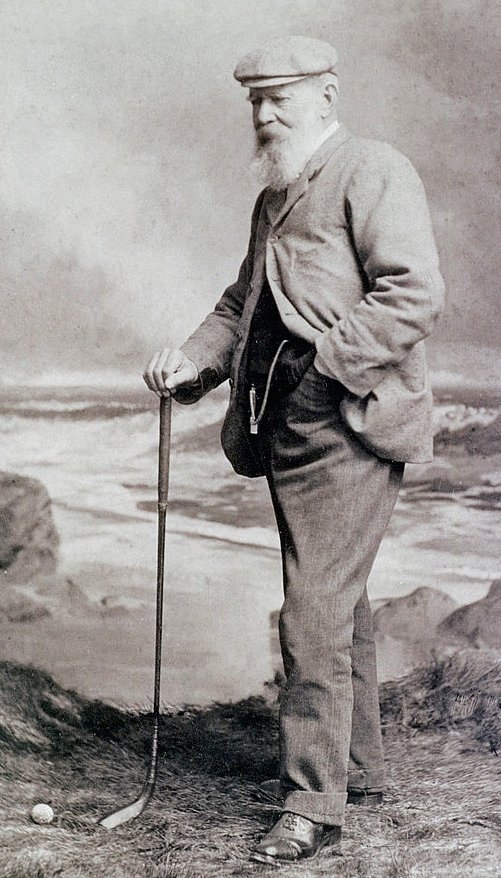
Headwear has shaded golfers for as long as they have played. The flat cap is older than the game as we know it: a rounded cap with a small stiff brim, it originated in Northern England and can be traced to the 16th century, when it was more likely to be called a bonnet. In the 19th and early 20th centuries, when men predominantly wore some form of headgear, flat caps were commonly worn throughout Great Britain and Ireland, and golfers carried the look onto the links. Old Tom Morris stands on the Old Course at St Andrews in a checked wool cap, and a 1909 portrait of Scottish champion Dorothy Campbell shows her in a substantial straw hat.
The modern cap owes more to sportswear, and the visor came from the baseball diamond: the original men's golf sun visor started out as a simple visor on the baseball field. Arnold Palmer gave the visor a defining moment at the 1960 U.S. Open. Imperial has been making headwear since 1916, sold sports visors by the dozen in its 1977 catalog, and brought out the Tour Visor in the high crown style in 2007. Ben Hogan's white flat cap is the other thread: rounded, with a distinctive short brim, elegant and casual at once. Today English golfer Harry Hall brings a heritage silhouette back to the PGA Tour.
Who wore it best
Ben Hogan
Wore a recognizable white flat cap, rounded with a distinctive short front brim.[2]
Arnold Palmer
Gave the golf visor one of its defining moments at the 1960 U.S. Open.[3, 4]
Phil Mickelson
Linked with the high crown tour visor look, alongside Arnold Palmer.[3]
Harry Hall
The English golfer has brought a heritage cap silhouette onto the modern PGA Tour.[4]
How to wear it now
- Pick the shape to suit your face: a flat cap with a short front brim sits low and reads heritage, while a high crown visor sits higher and reads sporty.
- Keep the color quiet and let one detail do the work. A plain white, navy or tweed cap is easier to wear than a loud logo.
- Match the cap to the rest of the outfit, not the other way round. Tweed cap with knitwear and a collared shirt; tour cap with polo and tailored shorts.
- On sunny days a visor gives shade without flattening your hair, but it leaves the crown exposed, so use sunscreen on your parting.
- For a modern look, wear a flat cap with a simple polo and slim trousers, and skip the matching cap-and-shirt set.
Where to buy
New
Vintage
Links open the shop's own site. Some may earn us a commission.
Sources
- Flat cap, Wikipedia. Retrieved 2026-09-29.
- A Chat with the Hat, BuffaloGolfer.com. Retrieved 2026-09-29.
- Imperial's Golf Visor Takes the Crown for the Official Tour Visor, Imperial Headwear. Retrieved 2026-09-29.
- Tweed to Tour: How the Golf Cap Grew Up, The Brim Report. Retrieved 2026-09-29.
Updated .